Bean to cup vs espresso machine: the right choice starts with your service. Bean-to-cup equipment suits businesses that want repeatable drinks with fewer preparation steps. Traditional espresso machines suit teams that want hands-on control and have staff available to use it. Neither is automatically the better choice: compare your busiest service, drinks menu, cleaning routine and available space before choosing equipment.
Bean to cup vs espresso machine: the differences
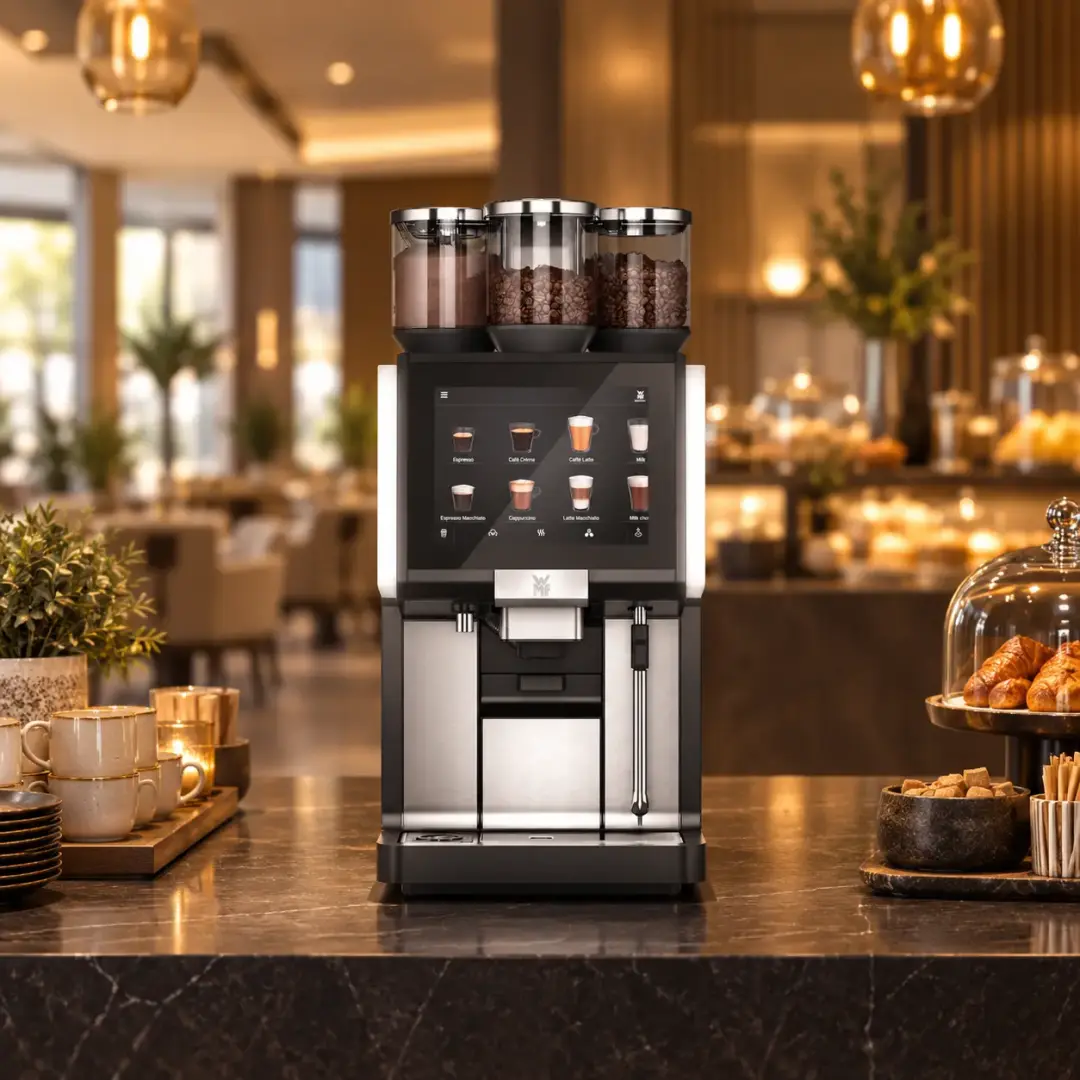
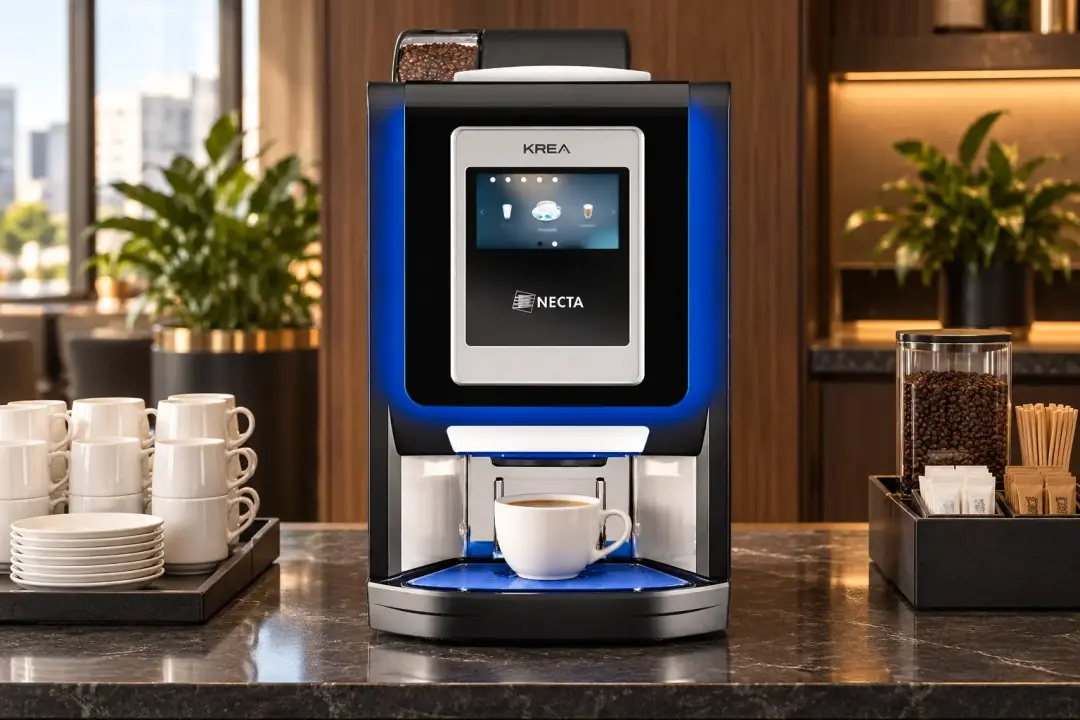
A bean-to-cup machine brings grinding and brewing into one machine. The user selects a drink and the machine follows its programmed recipe. Milk preparation varies: some models use a fresh-milk system, some use soluble ingredients, and others need separate milk handling. Check the actual configuration rather than assuming every machine with a drinks screen works in the same way.
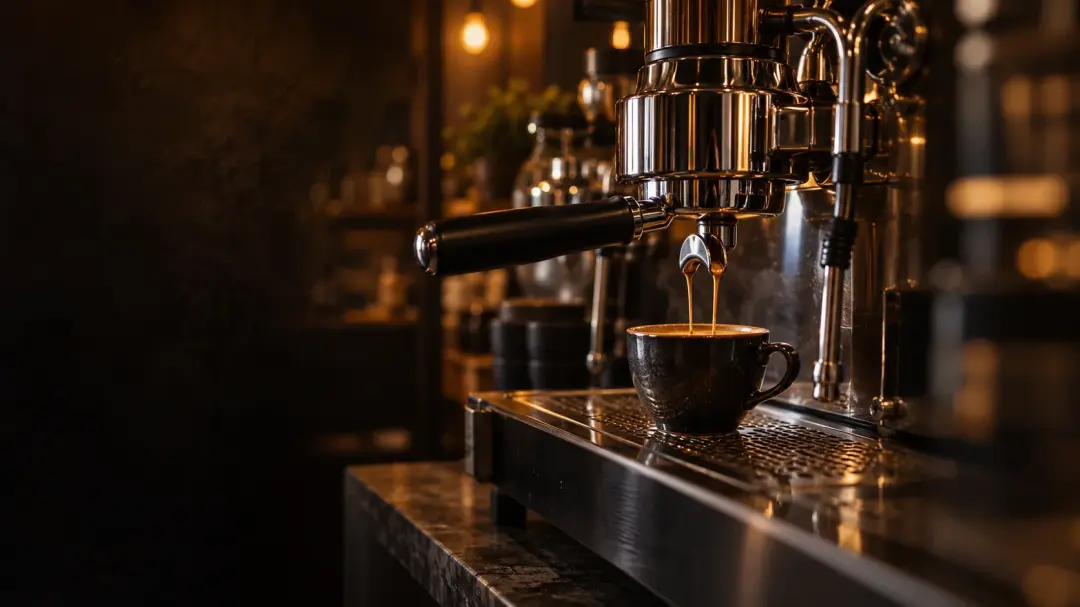
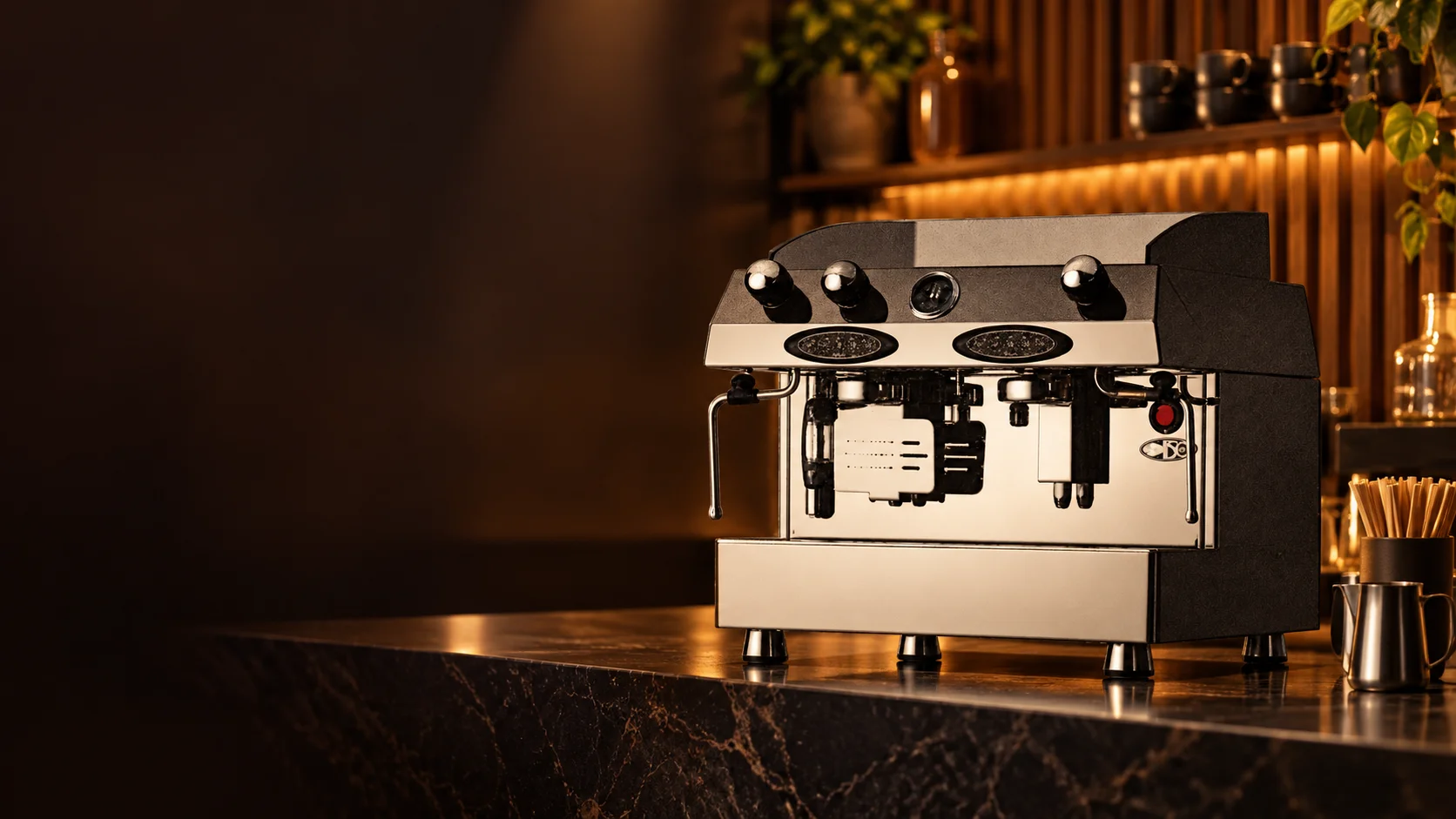
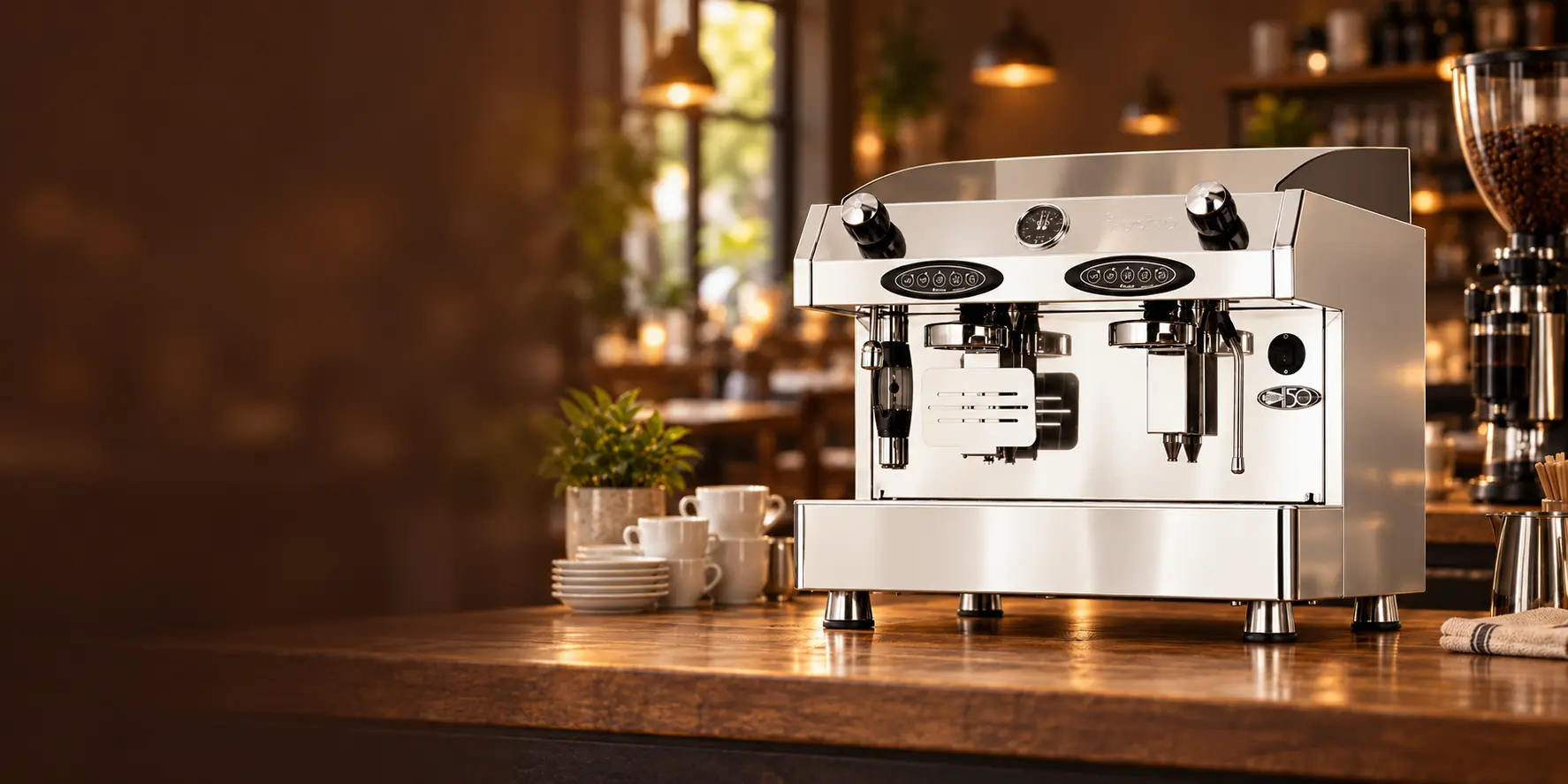
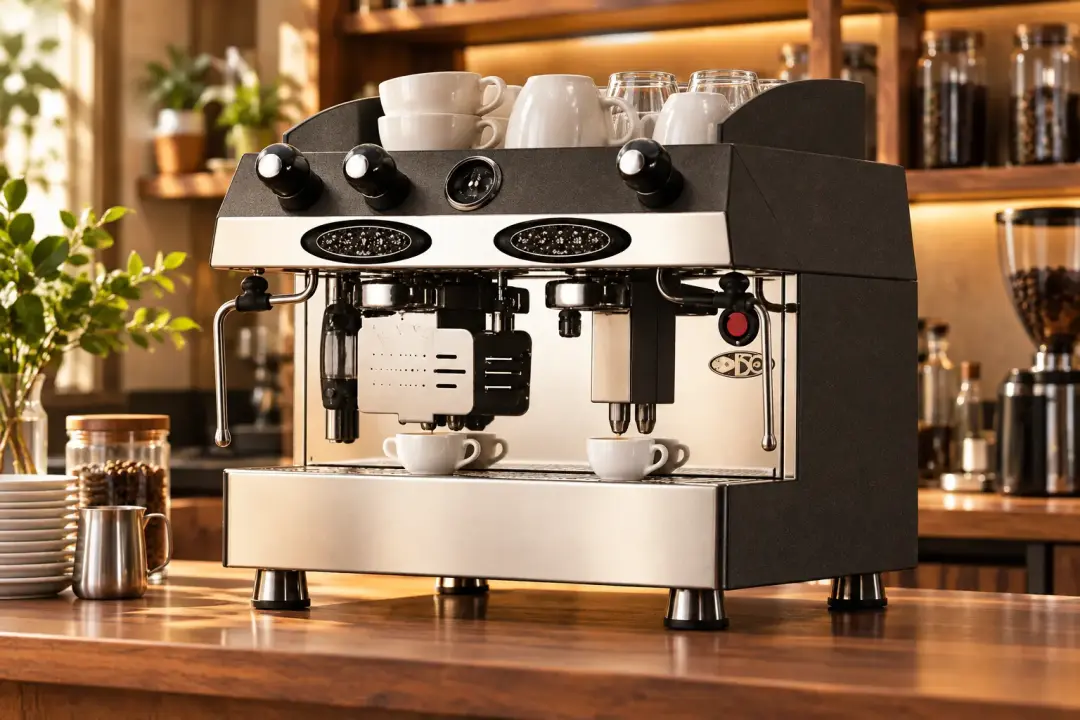
A traditional espresso setup usually combines a separate grinder with a machine that holds portafilters. The operator prepares the coffee and handles milk steaming, although dosing and extraction controls differ between models. This gives staff more involvement in the result. For businesses in Cumbernauld and beyond, the useful question is how those tasks fit the people and time available, rather than which machine looks more professional.
Who will make the drinks?
In a café with a dedicated coffee team, preparing espresso and steaming milk may be central to the service. A traditional setup lets that team adjust the grind, dose and milk texture as part of its routine. That flexibility needs training and a shared recipe, particularly when different people cover opening, lunch and closing shifts. A machine cannot replace an agreed standard for the finished drink.
In a workplace kitchen or self-service area, users may need a more straightforward process. A bean-to-cup machine can reduce the number of manual steps, but someone still needs to refill ingredients, empty containers and complete cleaning. Ask for a demonstration that includes those jobs. Compare how a new user orders a drink and how the person responsible for the machine looks after it afterwards.
Start with service
- List who makes drinks on every shift.
- Count demand during your busiest fifteen minutes.
- Agree who refills and cleans the equipment.
- Bring your actual cups to a demonstration.
Size for the busiest part of the day
Daily cup totals are a starting point, but they can hide the queue that matters. An office serving drinks steadily has a different pattern from a restaurant making several coffees after a large table finishes lunch. Note your busiest 15-minute period, the mix of drinks ordered and whether staff also take payments or serve food. These details make a comparison more useful than a headline capacity figure.
Ask a supplier to explain the proposed machine’s output for your own drink sizes and menu. Milk drinks, hot water demand, refilling and cleaning interruptions all affect the practical workflow. A larger traditional machine also needs enough people to use its capacity. With an automatic machine, consider the sequence of orders and what happens when ingredients need topping up. Avoid choosing purely by the number of buttons or group heads.
Compare the menu and the daily routine
Write down the drinks you actually intend to sell or provide. Include cup sizes, decaffeinated coffee and any need to handle different milk choices. Traditional equipment allows a trained operator to work with separate jugs and recipes. An automatic machine’s options depend on its ingredients, milk system and programming. Ask how each proposed model handles your menu, rather than buying against a long list of drinks you may never offer.
Both approaches require cleaning. Traditional equipment needs an appropriate routine for the coffee path, portafilters and steam wands. Automatic equipment may guide the user through cleaning programmes, but milk components, trays and ingredient containers still require attention according to the manufacturer’s instructions. Request the daily procedure and consumables list before deciding. Include the time needed at closing and who will cover the routine when your usual operator is away.
Check before ordering
- Confirm milk handling for every drink you offer.
- Ask how decaffeinated coffee will be prepared.
- See the complete cleaning procedure demonstrated.
- Check service access around the proposed location.
Check space, water and support
Measure the whole working area, including space above and around the machine. A traditional setup needs room for the grinder, tamping, cups and milk preparation. A bean-to-cup machine may need additional milk storage and clearance for refilling or removing containers. Confirm the exact electrical supply, water connection, drainage and water-treatment requirements for the selected model before committing to a position on the counter.
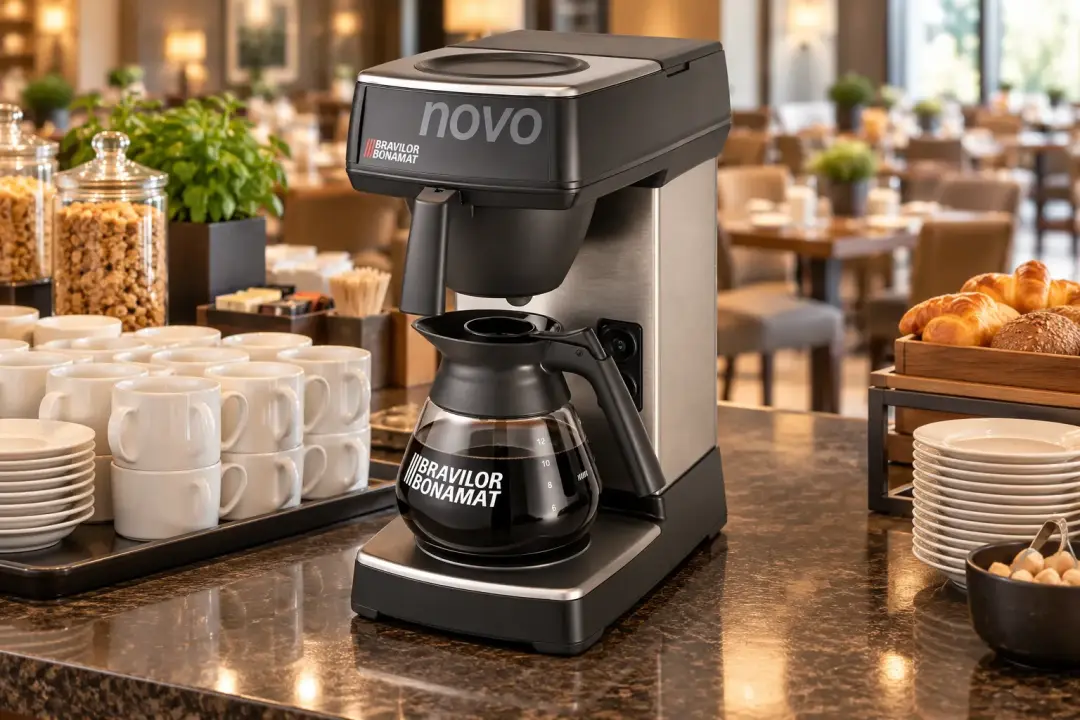
Our commercial coffee machine range is a useful starting point for discussing those requirements with R & R Coffee Supplies. Ask what installation, training, servicing and ongoing support are included in the proposed arrangement. If your main requirement is several cups of black coffee together, include filter equipment in the conversation. A simple brewing routine may suit that service better than either an espresso-focused or automatic drinks system.
Make the decision around your business
Shortlist bean-to-cup if straightforward drink selection and a repeatable routine are your priorities. Shortlist traditional espresso if a trained team wants control over preparation and coffee is a substantial part of the service. These are starting points, not fixed rules: a staffed hospitality venue may choose automatic equipment, while a workplace with a dedicated barista may prefer a traditional setup.
For a useful enquiry, tell R & R Coffee Supplies your location, busiest period, drink sizes, staffing and available space. Include photographs or measurements of the proposed position and explain whether you are replacing a machine or starting from scratch. The team can then discuss suitable equipment and coffee supply against those details. Keep your shortlist focused on models you can operate, clean and support consistently throughout an ordinary working week.
Discuss your machine shortlist
Tell our team about your drinks, staffing and busiest service so we can discuss a suitable setup for your business.